
PBAT


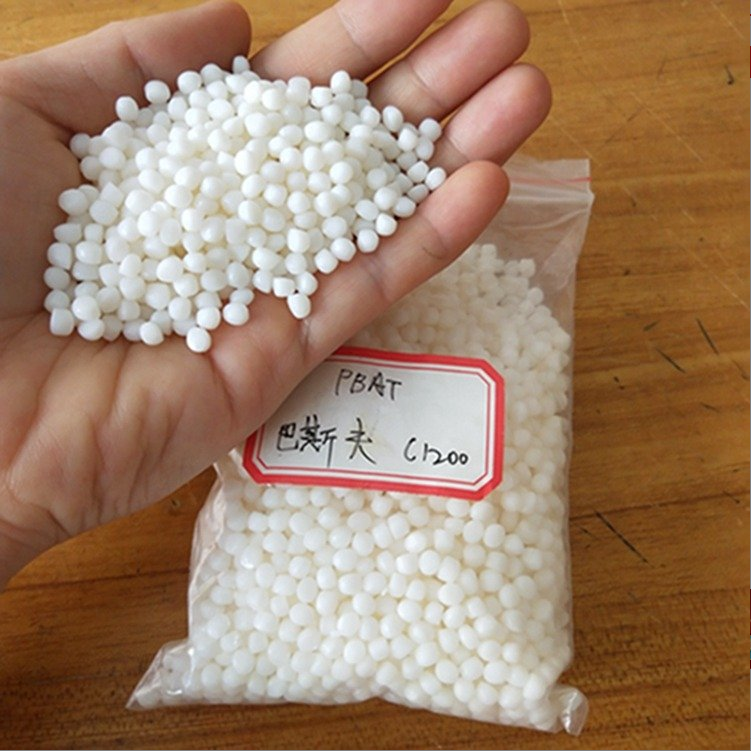
PBAT
100% Biodegradable Compostable Cornstarch PBAT
PBAT Introduction
PBAT (polybutylene adipate terephthalate) is a biodegradable polymer composed of succinic acid, butanediol, and terephthalate.
PBAT Introduction
PBAT (polybutylene adipate terephthalate) is a biodegradable polymer composed of succinic acid, butanediol, and terephthalate.
On sale:
$1.50
Price:
$1.00
shared:
PBAT has the following characteristics and advantages:
1. Biodegradability: PBAT can be gradually degraded in the natural environment through the action of microbial enzymes, and
ultimately decomposed into reusable substances such as carbon dioxide, water, and biomass. This makes PBAT an environmentally
friendly alternative material.
2. Renewable: PBAT can be synthesized using renewable raw materials such as vegetable oil and starch, reducing dependence on fossil
fuels.
3. Physical properties: PBAT has good flexibility, impact resistance, and heat resistance, and can be used in various application
fields such as manufacturing films, packaging materials, textiles, and injection molded parts.
4. Compatibility: PBAT can be blended with other polymers (such as polylactic acid PLA) to improve the performance and functionality
of the material.
5. Widely used: PBAT is widely used in the packaging industry, such as food packaging bags, garbage bags, agricultural films, etc. It
can also be used in fields such as textiles, consumer goods, and medical supplies.